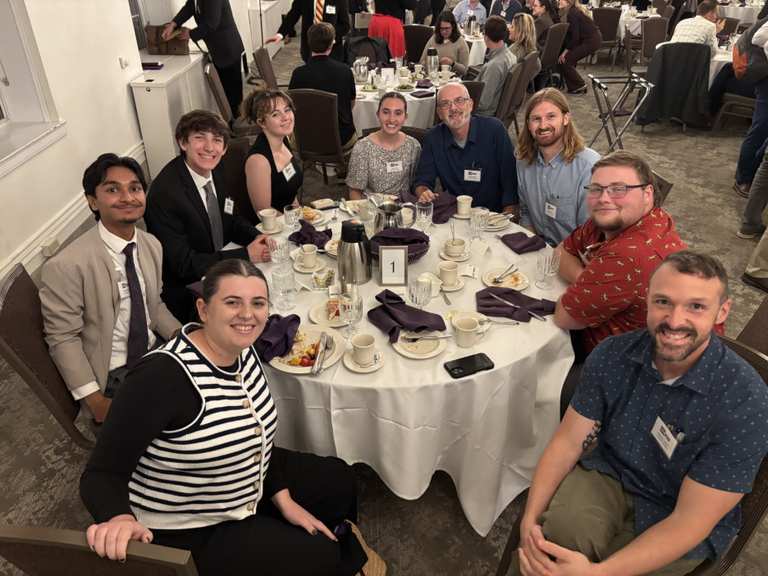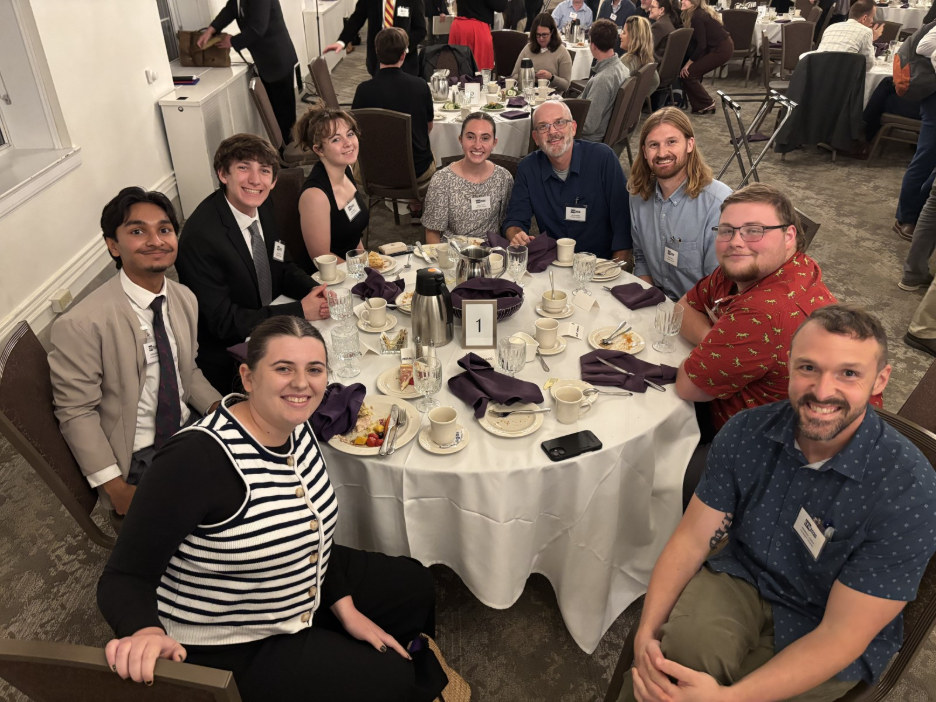
Huntington University history majors participate in the biennial Conference on Faith and History.
By Izabella Nieman | October 13, 2026
For years, history majors at Huntington University have attended the Conference on Faith and History. The Conference on Faith and History (CFH) hosts a biennial conference in locations across the U.S. This year, the HU history majors traveled to Minnesota’s Twin Cities, attending the conference on the campuses of Bethel University and the University of Northwestern-St. Paul. Many institutions attended the conference, including Grace College and the University of Chicago, but the most strongly represented was our very own Huntington University.
On Tuesday, September 29th, Dr. Webb and Professor Herber, along with seven of their students from the history department, piled into a van and departed Huntington University, beginning their long journey to Roseville, Minnesota, near Bethel University. Their three-day agenda included the undergraduate as well as the professional conference before returning to HU on Friday, October 2nd. At the conference, the students were immersed in historical thought and debate through speeches and panel sessions, and each of our HU students presented a topic they had researched.
Matthew Nasir, a senior history and political science major, explained the conference’s content and significance. “The Conference on Faith and History is made up of professional and undergraduate scholars who explore the theory and practice of history from faith-informed perspectives and faith from historical perspectives,” Nasir clarified. He expressed his gratitude at attending the conference again.
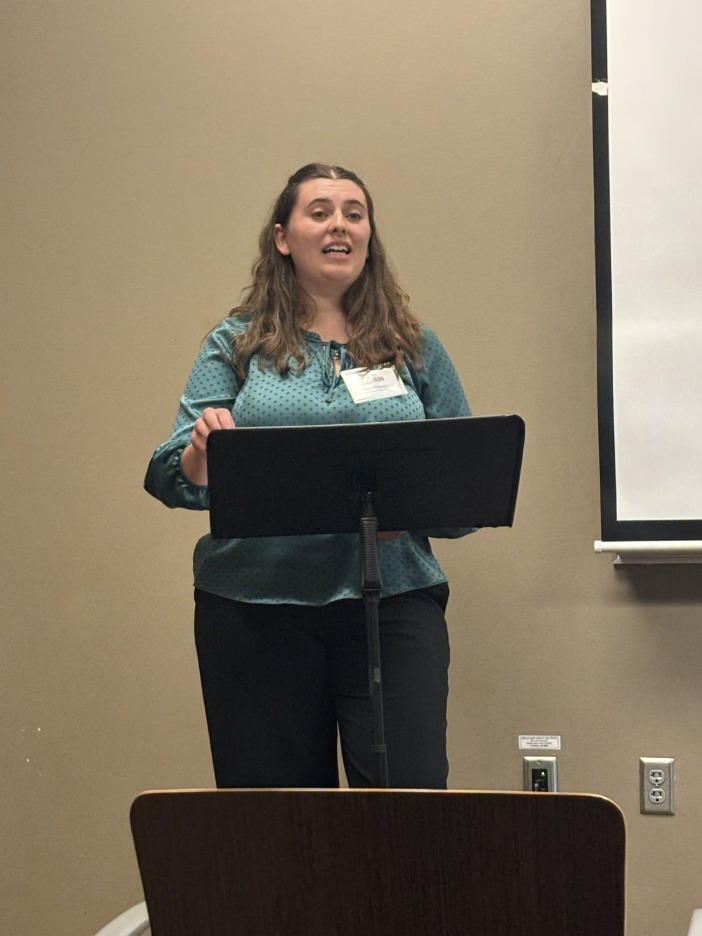
Abigail Ensinger, a senior history major, also enjoyed participating in the conference. “This was my second time going, so it’s been interesting to go a second time when I’ve kind of figured out how to present a paper a little bit more and gotten better at research and writing papers,” Ensinger stated of her presentation experience.
Ensinger described presenting a difficult topic about the Khmer Rouge and Cambodian genocide, in which she made some bold claims. She appreciated the opportunity to confront peoples’ biases about events in history. “I think that’s really important when you’re researching history…to challenge your bias and other peoples’ biases so we can learn and grow as people.”
Ensinger also recounted meeting and “finding common ground” with students from other schools. One of her highlights was meeting a girl from Wheaton College, a music history major and harpist, who presented on the relation between the harp and femininity. Ensinger remarked of the presentation, “It was nice to combine my love of music and history in a way that I hadn’t seen before.”
Ensinger highlighted how a plenary speaker’s speech about Imago Dei contributed to her idea of history because when looking at historical figures, it can be beneficial to “[see] people as human beings with flaws…and as people who are made in the image of God so they have inherent value.” She believes this can make judgements about the actions of historical figures. “We are complex and do terrible things…but also do some really great things,” she stated.
Gavin Leton, a sophomore political science major, said that he enjoyed presenting work he was proud of and hearing about other topics. “They presented over topics that I wouldn’t have thought to do research on myself,” Leton stated. One of these was a presentation about the religious influence on Charlie Brown and “how [Charles Schulz’] spiritual journey impacted how he wrote Charlie Brown.”
Leton stated that the conference contributed to his idea of history by helping him “appreciate how important it is to pursue [history] when you have people there who are really passionate, really dedicated solely on the focus of that.” He also thought it was interesting to hear how AI will shape the future in history from those for and against and it, and how “history’s survived worse and always come out better.”
An interesting aspect of Leton’s experience was “seeing how another Christian school does things,” with the conference having taken place on two different Christian campuses. He noted the difference between the dining commons and described how the University of Northwestern had a traditional architectural style and a stained glass chapel.
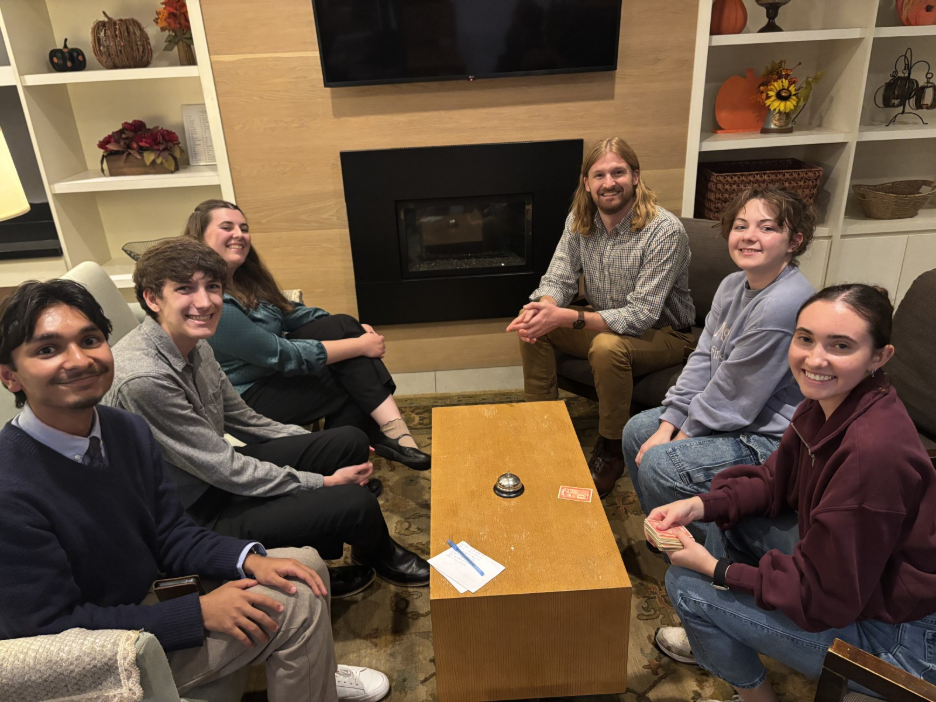
Besides presenting and listening to speakers, the HU students engaged in community with one another, playing games, and, as Leton stated, “[bonding] over having to complete work as we were all the way in Minneapolis.”
“Our game night we did was really, really fun,” Leton said. He went on to describe the community with people, trying new foods, and even his professors and peers celebrating his birthday during the trip with a cake.
The community aspect was a highlight of the trip for students alongside the historical discussion. Ensinger noted getting to know students within the HU history department better and finding that “you’re not as different as you think you are.”
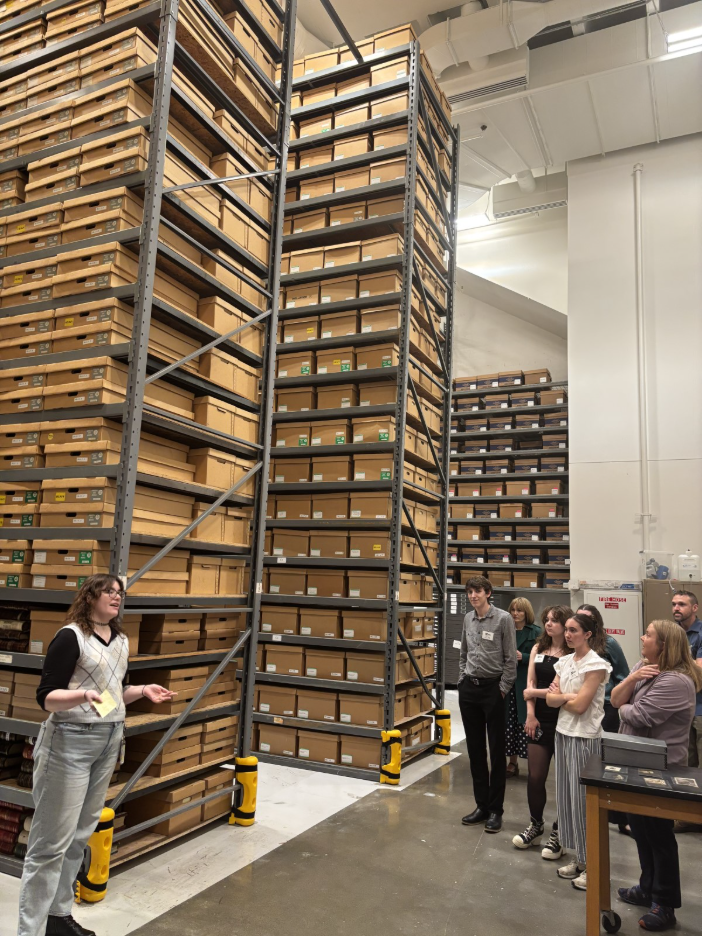
A shared highlight of both students was looking at the archives at the Minnesota History Center. “It was shelves like twenty shelves high…I hadn’t seen archives that big yet,” Ensinger described. Leton, too, expressed his wonder at the amount of history in the room.
Leton said he “would highly recommend anyone who gets the chance to go on the conference. It’s just such a really good experience [with] really good opportunities to grow. There’s a lot to learn there and a lot to demonstrate and practice skills of presenting, having your ideas challenged, and wrestling with difficult concepts . . . also, the people will always make it so, so, good.”
About the Author